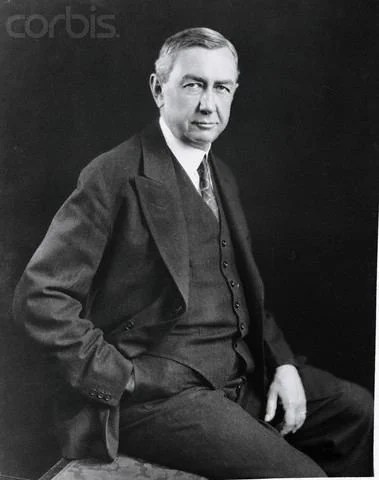
Public relations has changed a lot since the early 1900s, but many of the questions and ideas surrounding this profession have stayed the same. What amount of information should a company disclose? Where does one establish the line between deceiving the public and defending a client’s reputation? While listening to Drilled’s “The Father of Public Relations”, questions like these caught my attention. The episode revolves around Ivy Ledbetter Lee, who was one of the first significant figures associated with public relations, and his collaboration with John D. Rockefeller Jr. at a time when the public was closely watching the Rockefeller family. I learned from the episode that Lee’s impact extends beyond history. His approach to corporate communication raised ethical issues that are still important today while also establishing methods that public relations professionals still use today. (Westervelt, 2020)
Ivy Lee and the Rise of Corporate PR
Lee was a major contributor to public relations because he urged corporations to be more direct with journalists and the public. The textbook discusses the development of public relations as a career based on communication, relationships, reputation and making strategic choices (Moore, 2024). At a time when many big businesses were not used to publicly justifying their activities, Lee’s efforts helped establish that role.
A perfect example was in 1906, when Lee worked for the Pennsylvania Railroad after a fatal train crash. PRSA’s “Happy Birthday to the Press Release” states that Lee asked the railroad for details on the accident, and provided transportation for journalists to visit the location. According to the article, that response produced what is largely regarded as the first contemporary press release (Blackburn-Gay, 2019). Today, making a statement, talking to reporters and responding quickly in a crisis are all part of the normal course of public relations. More than a century later, Lee’s lasting impact is easily recognized.
Transparency vs. Reputation
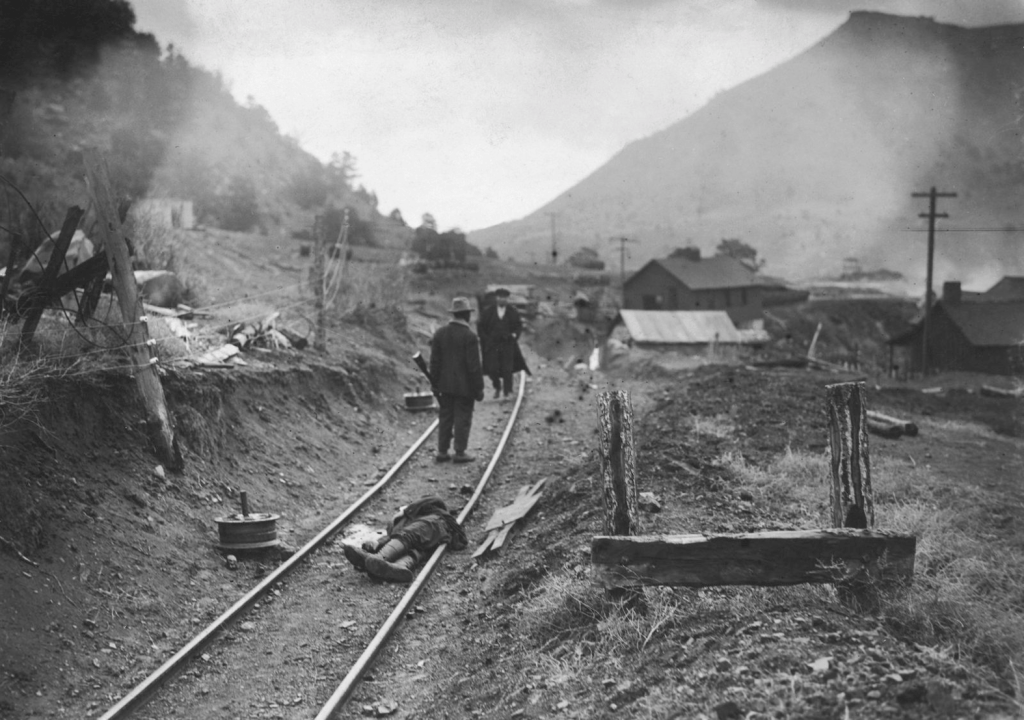
The fact that Lee’s legacy goes beyond simply demonstrating transparency grabbed my attention the most. Drilled describes his work with the Rockefellers as a development of corporate communication to rebuild a damaged reputation (Westervelt, 2020). This conflict is also evident in a 1934 TIME article about Lee. TIME expressed his opinion that corporations should have the public’s trust, but it additionally stated that journalists believed Lee released information that was favorble to his clients while withholding other information.
The reason that this distinction matters is because giving information isn’t the same thing as providing a complete or “fair” picture. In our class textbook, the subject of ethics stresses the value of concepts like integrity, transparency, accountability, and trust (Moore, 2024). These themes are clearly applicable to Lee’s career. His approach made organizations want to talk instead of remaining quiet. His work also shows us how much power a public relations professional has over what information the public gets.
Why Does Ivy Lee Still Matter to PR Professionals?
You can still see Lee’s influence at work when a corporation publishes a press release, responds when faced with a crisis or collaborates with reporters to let them know the meaning behind their actions. However, the social duties that come with this sort of authority are stressted more in today’s professional standards. The PRSA Code of Ethics instructs professionals to be honest and accurate, to investigate the truth of information released for clients and to avoid misleading techniques (Public Relations Society of America, n.d.)
This is, in my opinion, the most essential lesson in Lee’s story. PR professionals are supposed to be advocates for their clients, but they also spread information that can impact people’s beliefs. Lee helped to develop some of the methods that make modern corporate PR possible. His work also demonstrates why these methods require ethical standards. The primary challenge for today’s PR professionals is not simply getting an organization’s message out there, but instead communicating in a way that preserves reputation and maintains the public’s trust.
References
Blackburn-Gay, D. (2019, October 30). Happy birthday to the press release. Public Relations Society of America.
Harris & Ewing. (1905). Ivy L. Lee [Photograph]. Library of Congress.
Moore, J. (Ed.). (2024). Public relations: Principles, origins, and practice (1st ed.). Cognella Academic Publishing.
Public Relations Society of America. (n.d.). PRSA Code of Ethics.
TIME. (1934, November 19). Press: Death of Lee. TIME.
Westervelt, A. (Host). (2020, January 21). The father of public relations (Season 3, Episode 1) [Audio podcast episode]. In Drilled.


Leave a Reply